Guides for venue owners
Why parking convenience matters for Cape Town restaurants
Listen to the questions before a booking
Do callers ask where to park? Do guests arrive late after searching for a bay? Does the host spend time explaining parking instead of welcoming the next table? These observations can help a venue identify recurring arrival problems.
Keep a short record across different service nights. Note the type of question, when it arises and which entrance guests use. This is evidence from your own restaurant, not a citywide claim about lost bookings or revenue.
Consider the whole arrival journey
A guest's route from the car to the door matters alongside parking availability. Consider lighting, walking distance, pedestrian crossings and accessible drop-offs. Also consider guests arriving by taxi, ride-hailing or on foot.
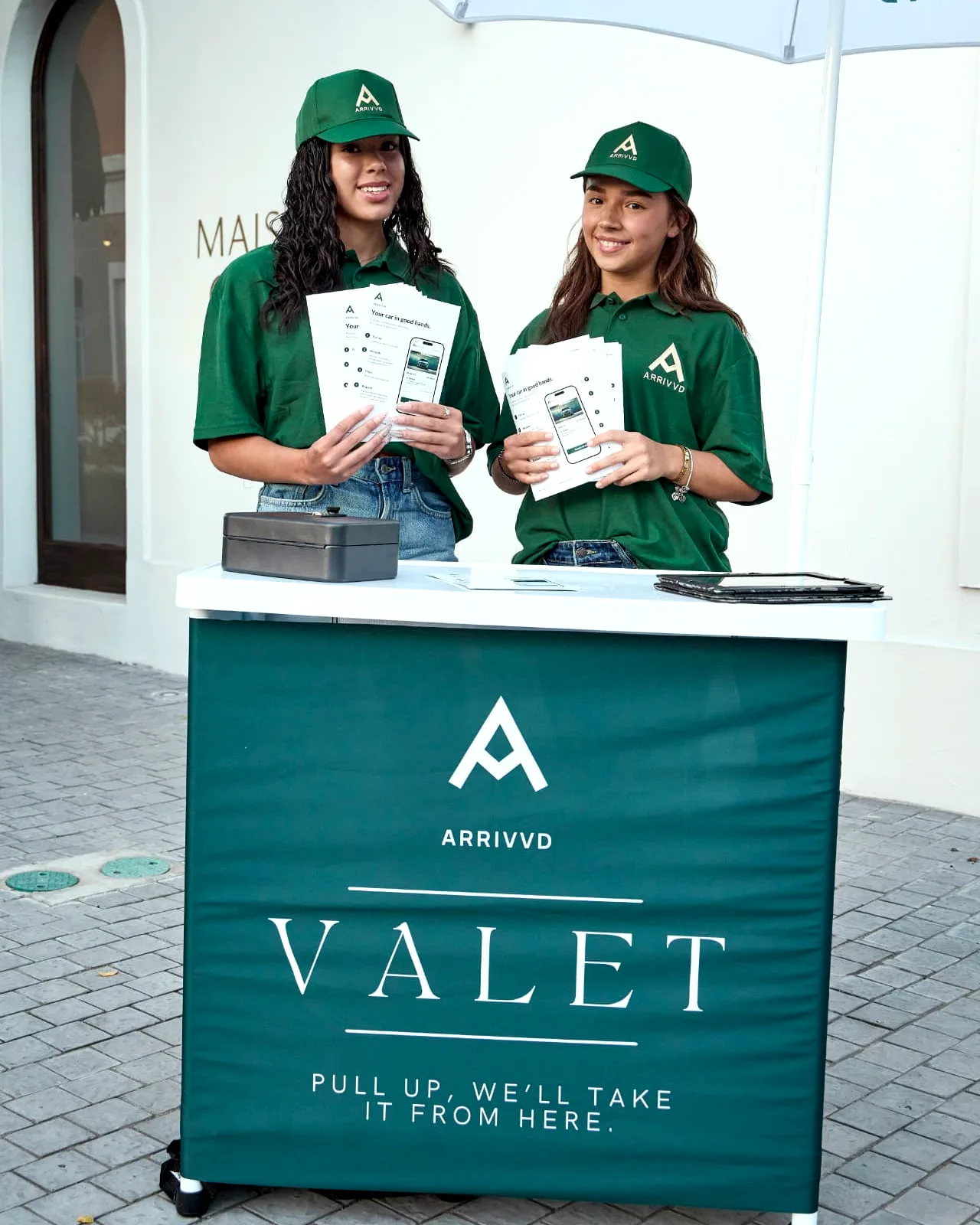
Busy Cape Town dining streets can have competing demands at the frontage. ARRIVVD is designed for settings such as Bree Street and Kloof Street, but that does not confirm service availability or parking rights on either street.
Match the response to the problem
Clear pre-visit parking directions may be sufficient where suitable self-parking is available. Valet may be worth discussing where the handover and vehicle movements can be managed safely through an authorised arrangement.
Compare guest convenience with the practical requirements: stopping space, staffing, parking access, operating window and costs. Valet is not a substitute for permissions and does not create extra parking capacity by itself.
Bring useful information to a provider
Share the patterns you observed, your booking peaks and any known constraints at the entrance. Ask how arrivals and departures would be handled, who communicates with guests and what your venue team would need to coordinate.
A worthwhile proposal should explain the service scope and responsibilities. Avoid measuring success only by a sales claim; compare the guest feedback and operational friction that prompted the enquiry in the first place.